Transparency in action
Workflows, then vs now
Three years ago, review cycles dragged. Now, I use mapped workflows—clear roles, defined checks, nothing left to chance.

Objectivity through external input
Every check has a source. Third-party data brings objectivity to decisions, filtering out internal bias and speculation.
Ready for audit
Paper trails matter. My documentation process makes audit prep straightforward and answers faster.
No one-size-fits-all
Your context defines the process. I don’t force standard templates; every review flexes to your institutional needs.
Each step, mapped

1
Independent data sources
Data matters, but context is key. I collect, filter, and verify information from independent sources, so your team isn’t left questioning the origin of each fact.
2
Sequential reviews
Every step, from the first screening to the final sign-off, follows a mapped sequence. That’s how subtle issues are found—and handled—before they escalate.
Transparent documentation
No shortcuts on documentation. Each finding is logged, making audit responses faster and reviews less stressful.
Adaptive compliance
Regulations don’t pause. My process updates to match changes—keeping your reviews future-ready and aligned with current standards.

From scattered steps to seamless process

A process designed for institutional clarity—no step wasted, no detail missed.
Alternative asset due diligence isn’t guesswork. It’s a set of practical steps. I guide institutional teams from initial inquiry to final documentation—every detail checked, every action logged.
Institutional reviews require clear roles. I lead, but your team’s input is essential. This partnership is what makes the process robust—combining insight, experience, and accountability.
Documentation is more than formality—it’s the core of readiness. When reviews come, clear records cut response time. Each decision stands on a foundation of traceable data, not memory or assumption.
Three years ago, due diligence was scattered—too many steps, not enough
clarity. Now, the process is streamlined. Each phase has a distinct role. I
break reviews down: data collection, source verification, detailed
documentation, and regular internal checks. It’s a closed loop—every
decision connects back to clear evidence. That reduces noise, catches subtle
issues, and keeps everything audit-ready. The focus: fewer gaps, stronger
decisions. My approach? Built on experience, refined through feedback, and
constantly evolving. No two reviews are the same, but the framework holds.
Always.
Inside the workflow
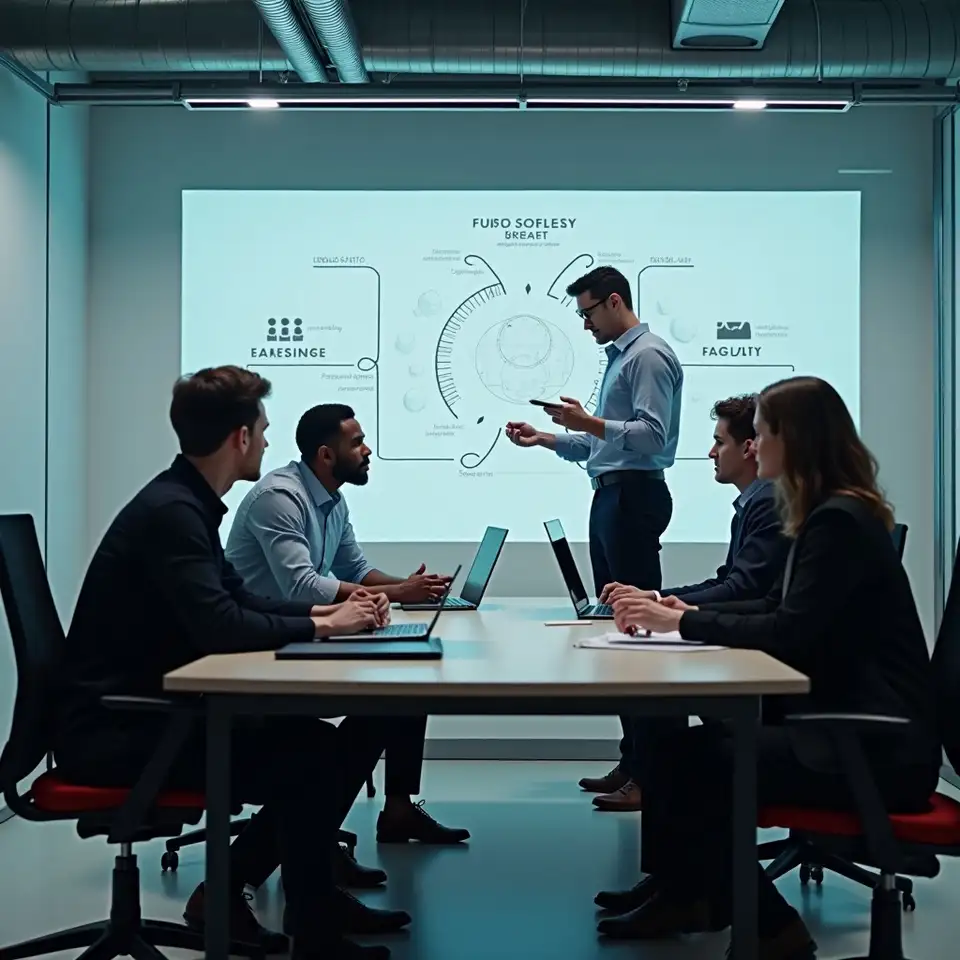
Review stages—visualized. Every image shows a piece of the process, from first check to
final sign-off.



The mechanics of a modern due diligence review
Review frameworks used to lag behind. I built my process to adapt, document, and
clarify—making each institutional review less about paperwork and more about outcomes.
How the process delivers clarity
Institutional reviews demand more than opinion. My process is structured, transparent, and open to external audit—tailored for the needs of compliance-focused teams.
Audit trail